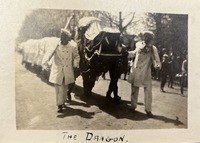
The image is inscribed "THE DRAGON". As part of the Union Circus' parade, students constructed a long dragon costume to walk down State Street. The guides, both white men, wear a potentially Asian-inspired outfit and some form of blackface. Though unclear, it's probable these students are mimicking Asian men.
The Free Black Women’s Library Detroit is one of the five branches of TFBWL which is self-described broadly as a social art project. Detroit FBWL is a book bike, trading/borrowing library aimed and centering Black women and femme authors. In existence since 2019, this book project and community service hosts pop-up swaps/lending/readings at community events, community spaces, and Metro-Detroit small businesses, in an effort to build radical collaboration, celebrating the brilliance of Black women/femme authors and readers at no costs to the community.
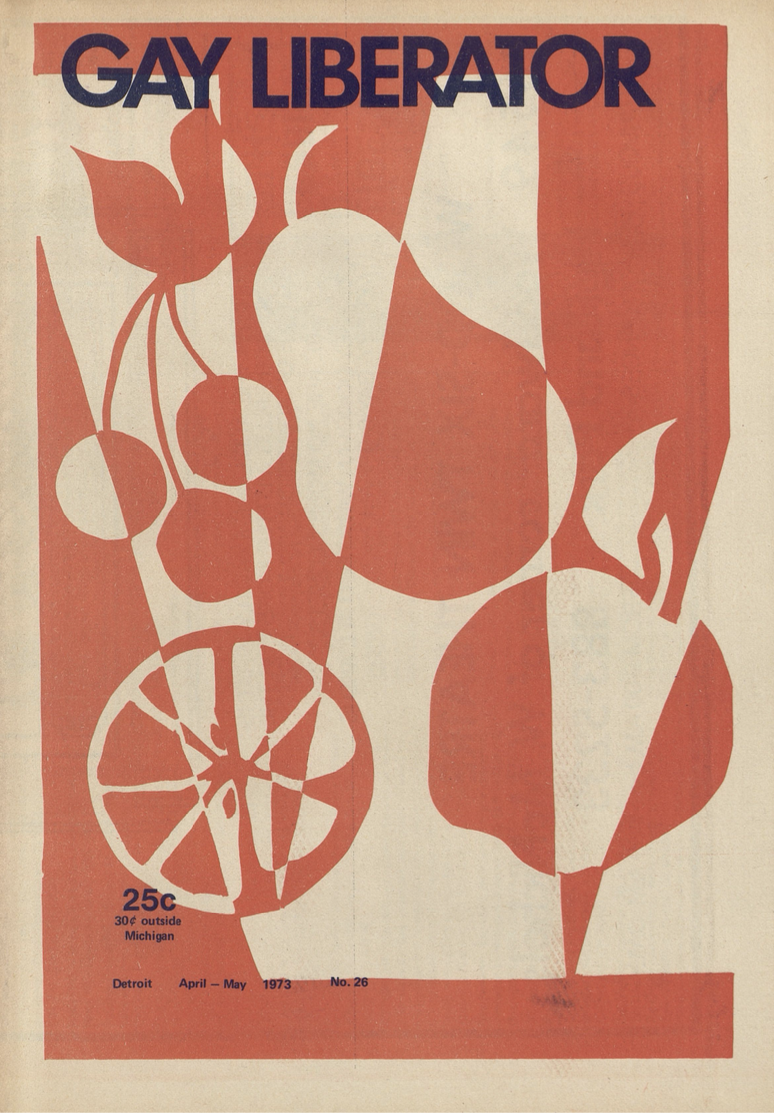
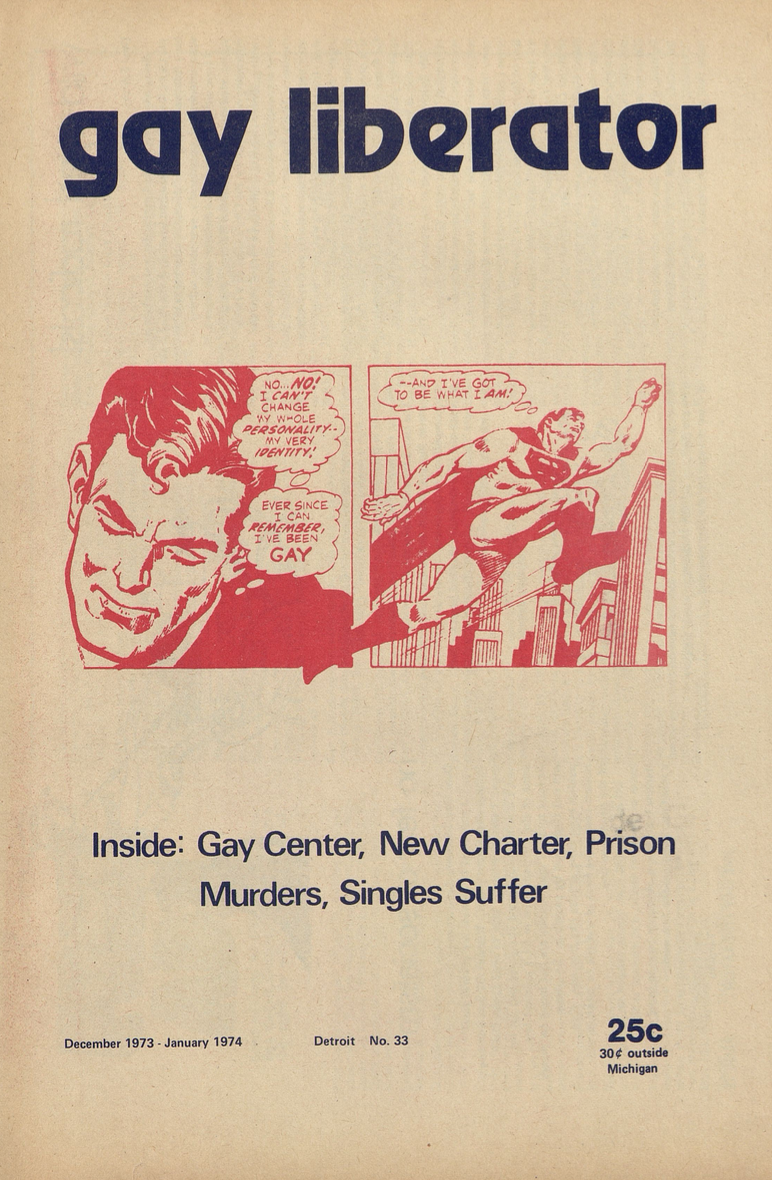
The "Detroit Liberator", as it was originally known, was launched in 1970 by the Detroit Gay Liberation Front, 9 months after Stonewall. Following the dissolution of the Detroit GLF in early 1971, the publication relaunched that September rebranded as "The Gay Liberator" and created by Pansy Press, an independent gay media collective. The publication discussed LGBTQ+ discrimination by courts, police, laws, employers, and landlords, highlighted resources for for LGBTQ+ people in Michigan, and featured poetry and art. Upon the publication's sixth anniversary in April, 1976, the publication released its final edition amid declining written contributions and support.
In this edition, the authors discuss affrimative action programs, but argue that they neglect LGBTQ people. Another piece highlights LGBTQ prison organizing, and another highlights the tax disadvantages that come when gay marragies are not recognizied.
"The Great Nation of Futurity" is a segment within the sixth volume of The United States Democratic Review. It is one of the first publications to promote an idea that would come to be known as Manifest Destiny: the idea that the United States is entitled to all land between the Atlantic and Pacific Oceans and that it has a duty to bring "civilization" to the lands.
An exerpt from page 427:
"The far-reaching, the boundless future will be the era of American greatness. In its magnificent domain of space and time, the nation of many nations is destined to manifest; to mankind the excellence of divine principles; to establish on earth the noblest temple ever dedicated to the worship of the Most High—the Sacred and the True."
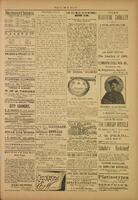
This excerpt is from a Chicago newspaper called "The Day Book." Which was in publication from 1911-1917. In it, the author begs the readers to ponder what it means to love someone deemed evil.
A photograph of a known stop on the Underground Railroad. Built by Guy Beckley in 1842, the minister and abolitionist opened his Ann Arbor home to those escaping enslavement and evading the Fugitive Slave Act.
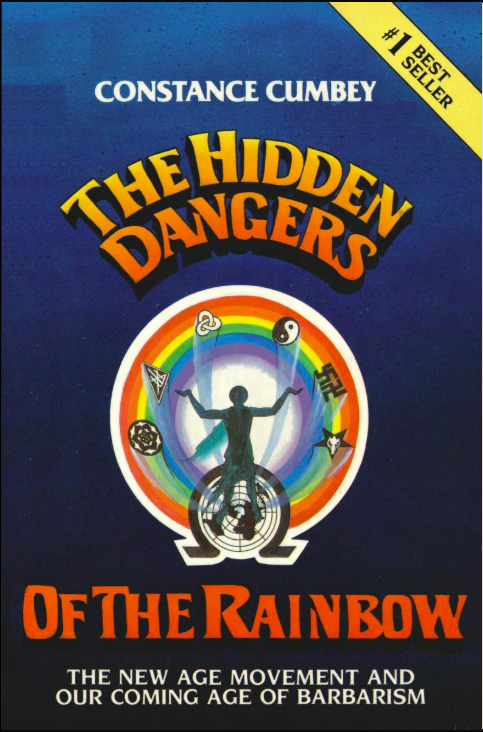
Cumbey's first and most famous book, detailing her researches into the New Age Movement. Cumbey characterizes the movement as actively working against monotheistic and American/Western values, and links the movement's values to those of Nazi Germany and its goals to biblical prophecy about the end times.
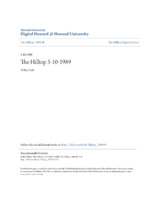
The Hilltop, the student newspaper at Howard University, was founded by Zora Neale Hurston in 1924. This issue features student opinions on demonstrations on campus.
The House of St. Laurent strikes a pose. Top L-R: Oswald, Anthony, Mother Octavia, Ramone and Temperance. Bottom L-R: John Martin, Father Robbie and Kadedra
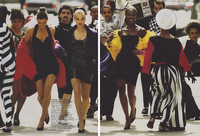
The House of Xtravaganza is featured in the December 1988 issue of Vogue in the spread "Economy Class." In the background L-R: Mother Angie Xtravaganza, David DePino, Jose Xtravaganza, Danni Xtravaganza, Frankie Xtravaganza, and David Ian Xtravaganza. Models: Naomi Campbell.
Borrowed from an Evening Patriot review, the article claims the Curtis & Ogawa Japanese circus is a "very meritorious addition to the circus world". The Japanese performers fence, tumble, juggle, and top-spin. They are accompanied by a "large company of American athletes." The circus is described as the "only Japanese circus of the kind in America."
Paraphrased from the University of Michigan Special Collections Finding Aid:
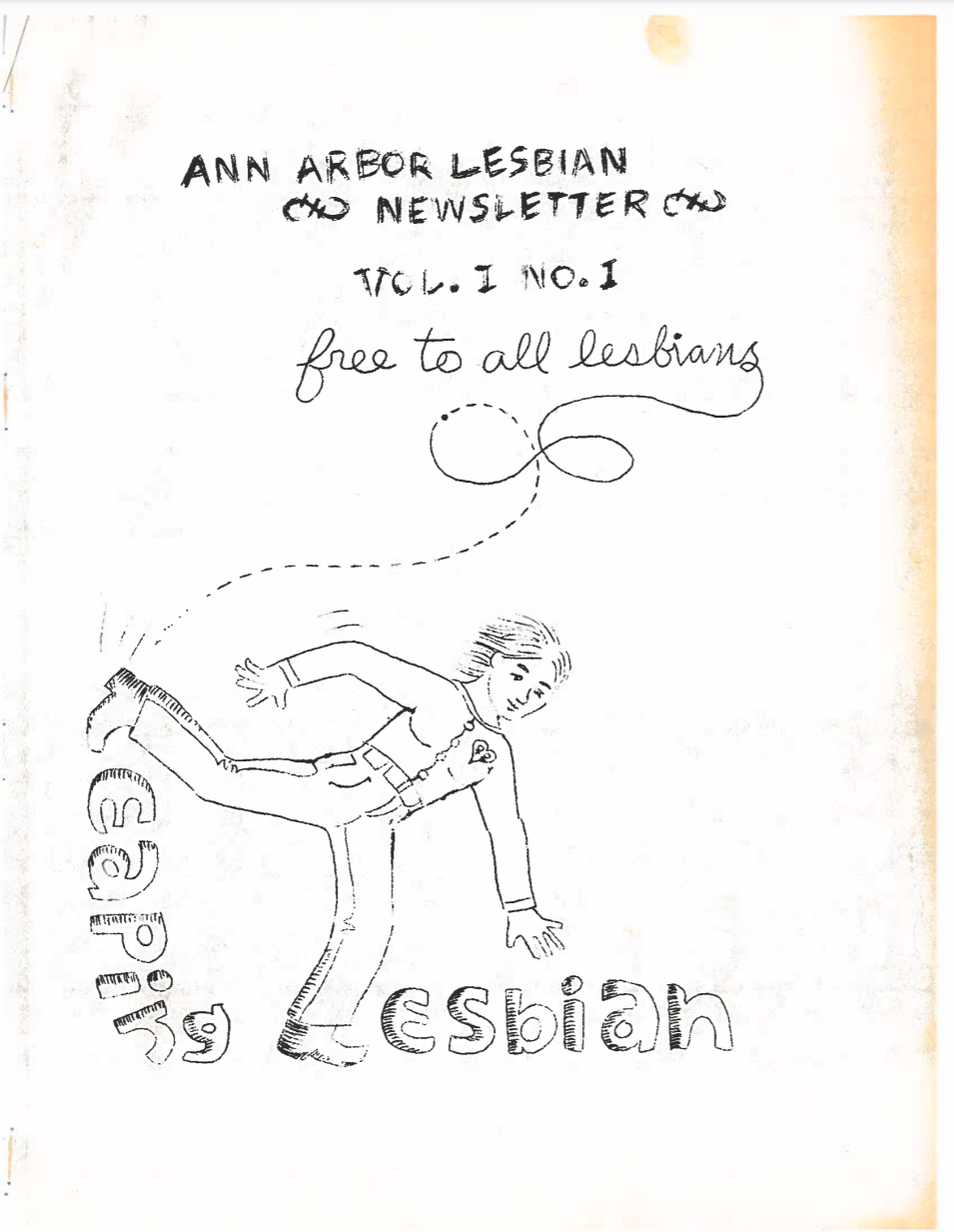
The creative and publishing force behind the Leaping Lesbian publication was formed in December of 1976 in Ann Arbor, Michigan. This collective of four Ann Arbor women (Laura Sky Brown, Susan Fecteau, Nancy Silverrod, and Perry Silverschanz), funded by the University of Michigan Student Government, published their first newsletter early in 1977.
Initially a free publication with a small monthly circulation, the Leaping Lesbian sought to fill the needs of the Ann Arbor lesbian community. In order to achieve this objective, the collective accepted and published original material from its readers, which included poetry, articles, essays and letters. Topics of submitted and published materials varied, ranging from social, political and legal issues to emotional and erotic issues. Articles covered prostitution, lesbian child custody battles, gay violence, eating disorders, lesbian performers and lesbian profiles.
Within two years, it had grown from a small, monthly newsletter with a mainly local readership to a larger, bimonthly magazine maintaining a national lesbian following. In order to keep up with the growing demands, the collective asked all readers to subscribe to the magazine. The May-June 1978 issue (Vol. 2, #4) marked the last free issue of the Leaping Lesbian . Although the growth of the Leaping Lesbian reflected its success, the collective records, particularly the meeting minutes, show that the operation of the publication did not always run smoothly. Early in the collective's history, personality conflicts, heavy workloads and strained budgets added tension to its operation. Although it is not clear why the collective disbanded, or never reformed, the March 1980 (Vol. 3 #5) issue was the last Leaping Lesbian ever to be published.