Within the Michigan State University libraries, there exists extensive collections, archives, papers, magazines, clippings, audio, and letters that tell hundreds of stories of the queer community all around Michigan. This resource is made for the MSU student and faculty community, as well as any interested visitor or researcher that can sift for hours through this vast collection through online finding aids, glossaries, guides and tutorials, or with the help of an outreach librarian. Librarian Eli Landaverde can be contacted at elandav@msu.edu. In-person appointments can be made Tuesdays, Wednesdays, and Thursdays 10am - 4pm through MSU's website (3 business days recommended in advance) or one can visit during open hours which vary by library and collection. Materials can only be used inside of the reading room and cannot be checked out. Further, MSU's library also provides services such as passport services, information literacy librarians, assistive listening devices, and motorized carts that can be used to move around the library's physical premises.
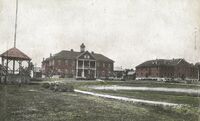
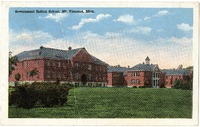
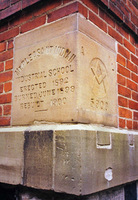
Annual reports written by the Superintendent of the Mt Pleasant Indian School addressed to the the Commissioner of Indian Affairs. Each report provide details on the number of students in attendance, health conditions, building conditions, curriculum and more.
This PDF in an excerpt from the original 1,174 page PDF.
Pamphlet about the Mt Pleasant Indian School.
"This pamphlet was executed by student-apprentices of the printing trade at the Chilocco Indian School, Oklahoma"--P. [17].
Note: To protect the privacy of those that died as well as the survivors, any pages with images of students has been removed from this file. The original pamphlet was 20 pages long. The full version can be found at the Clarke Historical Library at Central Michigan University.
Yowana Mukuza (plaintiff) appealed the judgmental of the Principal court of Buganda on grounds that the case was not heard by 3 judges as was required by the Native cord ordinance. Mukuza had sued the government of Buganda for illegal demolition of his workshop due to his failure to pay rent dues.
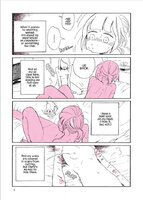
A page showing Kabi Nagata's encounter with a female escort and her struggles to reconcile the physical effects of her mental illness during the experience.
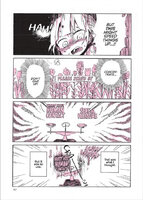
A page showing Kabi Nagata's thought process during an encounter with a female escort. She struggles to enjoy the experience due to her anxiety about human contact.
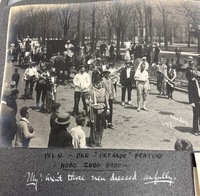
This photo was found in the scrapbook of former University of Michigan student, Stowell Stebbins. The image was inscribed "PSI U. - DKE - "Peerade" Feature - Hobo Zobo Band" and "My! Aren't those men dressed awfully." Young boys watch from the sideline as men dressed as "hobos" walk down the unpaved street with marching band instruments. Some of these white men showcase fake stubble, while others appear to be painted in blackface. Horses, carriages, clowns, and knights are also part of the procession.
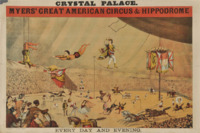
J.W. Myers Circus was an American circus that achieved success in touring Europe, specifically France and England. Their acrobatic and equestrian acts were popular and shown in their advertisements as seen in this poster.
This annotated document is a comprehensive survey of the impact of racial discrimination on the lives of Black residents of Washtenaw County in the early 1960s. Created by the local chapter of the NAACP, this report was made for the purpose of informing local and national political figures about racial injustices ahead of a potential construction of an atomic laboratory in the area by the Federal Atomic Energy Commission. Annotations in the margins come from an unknown source.
This annotated document was created by the Ann Arbor branch of the NAACP to alert citizens about the start of a weekly series of demonstrations for a more equitable Human Relations Commission in city government. The paper includes an overview of the causes for the demonstrations, standards for involvement, and additional related facts about city governance. Annotations throughout the document come from an unknown source.
A description of various activities performed and policies adopted by Nakamura House including a frequently ignored ban on drinking in common areas, a prohibition on marijuana followed by a house purchase of marijuana in bulk, a chess tournament, and an end of the semester orgy.
Paper flyer from NARAL encouraging women to submit personal testimony and experiences with abortion to their elected officials as part of their national "ABORTION: SILENT NO MORE" campaign.