Women, Gender, and Family collection, 1678-1996 (majority within 1800-1906)
Item set
Items
-
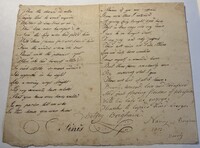 Betsey & Nancy Brigham's Manuscript Poetry, 1802 This two-page manuscript contains two rhyming poems by Betsey Brigham and Nancy Brigham in 1802. The poems explore themes of love, beauty, and romantic attraction. One poem tells the story of an innkeeper in Boston and a young woman named Nell, describing her beauty and an encounter involving an offer of money in exchange for physical intimacy. The manuscript documents expressions of love, attraction, and courtship in early nineteenth-century verse. It provides an example of how poetry was used to communicate and circulate ideas about romantic relationships, beauty, and intimacy during this period.
-
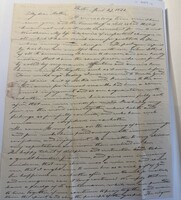 U. C. Burnap's letter to Candace Burnap, 1832 April 23 This two-page letter, written by U. C. Burnap to Mrs. Candace Burnap on April 23, 1832, reflects on a significant year in the author's personal and religious life. Burnap describes his recent marriage to Drusilla Gould, which took place about a month earlier, and discusses their courtship and compatibility as partners. He also comments on Drusilla's role in caring for his children, highlighting the importance of family relationships and domestic responsibilities in their new marriage. The letter also expresses gratitude for positive developments in his life and discusses his efforts to promote religious engagement in his community, despite opposition and rumors. The correspondence provides insight into nineteenth-century courtship, remarriage, and family life. It illustrates how marriage involved not only romantic compatibility but also expectations surrounding parenting, domestic responsibilities, and religious values. The letter offers a personal perspective on forming a new household and integrating a spouse into an existing family.
-
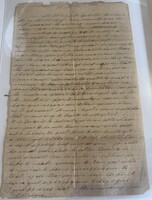 Elizabeth Fortune's Marriage Prophecy, [1838?] July This two-page handwritten manuscript, tentatively dated July 1838, contains a fortune-telling prediction concerning the future marriage and family life of a woman named Elizabeth Fortune. The divination predicts that Elizabeth will marry within ten months and eventually have eight children. It also describes her future husband's physical appearance and outlines the anticipated course of their marriage, including periods of difficulty. The manuscript predicts Elizabeth's future domestic life, including the assurance that her husband will not be a "whiskey drinker." Written in phonetic spelling, the document shows how fortune-telling was used to imagine romantic relationships, marriage, and family life in nineteenth-century America. The manuscript offers insight into popular beliefs and social expectations surrounding marriage, gender roles, and domestic stability. It illustrates how predictions about love and marriage reflected concerns about a prospective spouse's character, family responsibilities, and the uncertainties of married life.
-
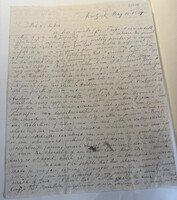 Joseph Morris' letter to Mrs. & Misses [Lydia Hogle], 1834 May 14 This letter, written by Joseph Morris on May 14, 1834, addresses accusations that he was already married and had misrepresented his marital status. Responding to concerns from Mrs. Hogle and her family, Morris denies ever being married and expresses confusion about what behavior may have led them to question his intentions. He insists that his visit was purely social and rejects the suggestion that he intended to compromise the reputation of an unmarried woman. The letter provides insight into nineteenth-century expectations surrounding courtship, marriage, and personal reputation. It illustrates the importance placed on marital status, honesty, and women's respectability in social relationships. Morris's defense also reveals how misunderstandings and suspicions could influence interactions between men and women during this period.
-
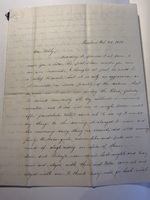 Matty White's letter to Bobby White, 1851 October 26 In this affectionate letter, Matty White writes to her husband, Bobby White, expressing her longing for him during their separation shortly after marriage. As her first letter to Bobby since their wedding, it captures the emotional challenges of being apart during the early days of married life. Matty shares details of her everyday experiences, including social visits and winning a bet about whether an acquaintance would arrive. Alongside these ordinary events, she expresses how much she misses her husband, revealing how personal correspondence helped newly married couples maintain emotional connections across distance. This letter offers a glimpse into nineteenth-century marriage, highlighting the importance of written communication in sustaining affection and intimacy. It illustrates how ordinary stories and expressions of longing became meaningful ways of preserving love despite physical separation.
-
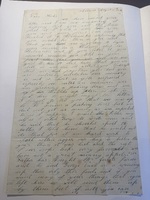 Joseph F. Huntoon's letter to Betsey Huntoon, 184[6?] August 5 In this emotionally charged letter, Joseph F. Huntoon writes to Betsey Huntoon about the tensions, misunderstandings, and conflicting feelings in their relationship. Responding to Betsey's accusations that he no longer loves her, Joseph insists that his affection has remained unchanged, while openly expressing frustration with her behavior. He writes, “I told you that I did not but that I hated your actions,” revealing a complicated distinction between loving someone and resenting their actions. Unlike idealized romantic correspondence, this letter offers a glimpse into the more difficult realities of nineteenth-century intimate relationships. It illustrates how personal letters served not only as expressions of love and devotion but also as spaces for confrontation, emotional negotiation, and unresolved conflict.
-
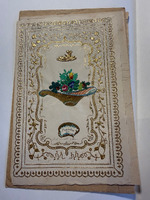 S. T. Peggy's valentine to Thurston B. Lillibridge, [1840s-1860s?] February 23 Decorated with gold embossing, delicate lace, and romantic imagery, this nineteenth-century Valentine was sent by Peggy to Thurston B. Lillibbridge. Featuring Cupid, a small boat, and a basket of flowers, the card carries a tender message: “Remember me And I will be with you.” The Valentine offers a glimpse into nineteenth-century expressions of affection, when elaborately decorated greeting cards served as tangible reminders of love, longing, and personal connection.