-
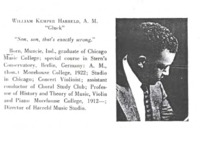 The Torch Yearbook 1923, Pg. 16
 Picture of Kemper Harreld.
-
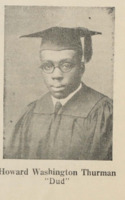 The Athenaeum, 1924 February, Pg. 118
 Picture of Howard Washington Thurman.
-
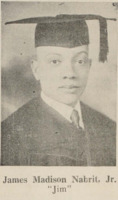 The Athenaeum, 1924 February, Pg. 118
 Picture of James Madison Nabrit, Jr.
-
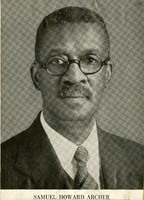 Samuel Howard Archer, Sr
 Portrait of Samuel Archer
-
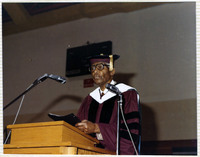 Benjamin Mays
 Dr. Benjamin E. Mays gives speech. Written on recto: Member of the Board Dr. Benjamin E. Mays.
-
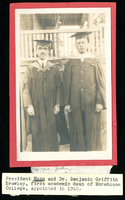 John Hope, circa 1920
 President Hope and Dr. Benjamin Griffith Brawley, first academic dean of Morehouse College, appointed in 1912.
-
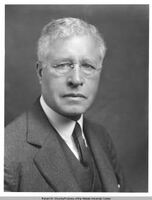 John Hope
 Portrait of Dr. John Hope, the first African-American president of both Atlanta University and Morehouse College. In 1906, he succeeded Dr. George Sale as president of Atlanta Baptist College. On July 1, 1929, he succeeded Mr. Myron Adams as president of Atlanta University. He died February 20, 1936 in Atlanta.
-
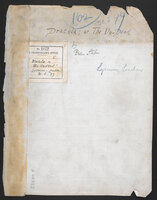 Manuscript of Bram Stoker's "Dracula" Playscript
 A selection from the manuscript of a dramatized version of "Dracula" by Bram Stoker.
-
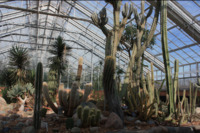 Desert House
 Interior shot of the cactus garden inside one of the greenhouses at Matthaei Botanical Garden.
-
Eleanor Roosevelt to Lorena Hickok, September 12, 1943
In this letter, Eleanor Roosevelt complains to Lorena Hickok about her time in Australia. She is there to provide aid to the Australian troops during the war (WWII).
-
NYT Article
Brief NY Times Article about the couple’s romance while Roosevelt was acting as First Lady
-
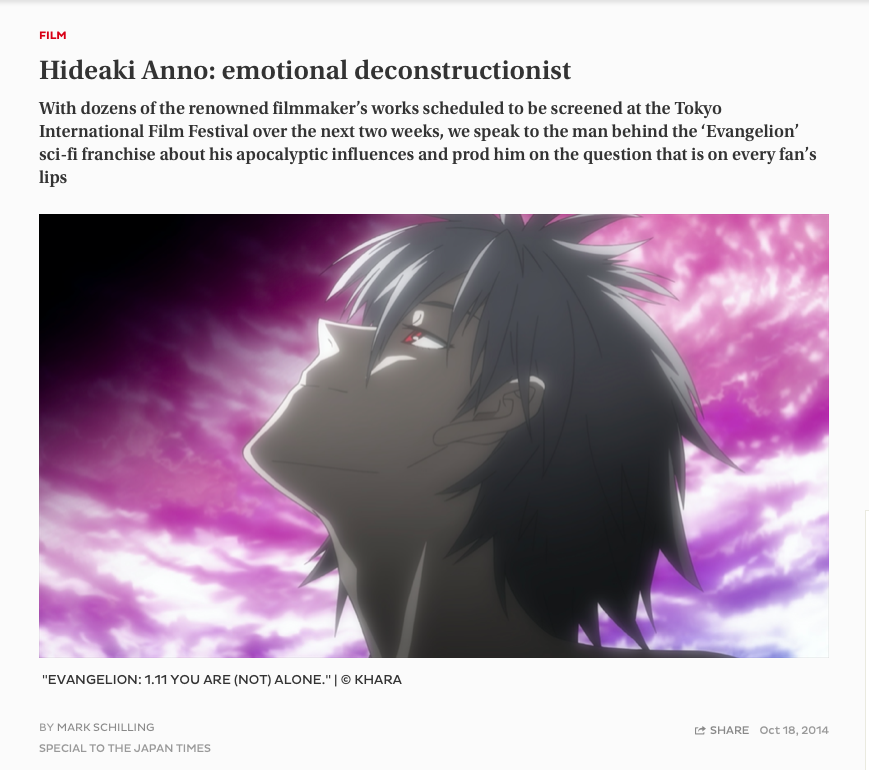 Hideaki Anno: emotional deconstructionist
 "With dozens of the renowned filmmaker’s works scheduled to be screened at the Tokyo International Film Festival over the next two weeks, we speak to the man behind the ‘Evangelion’ sci-fi franchise about his apocalyptic influences and prod him on the question that is on every fan’s lips."
-
 Neon Genesis Evangelion - Hope & Despair
 "In 1995, director Hideaki Anno unleashed a show that would subvert expectations, enamour a nation and forever change the industry it was a part of. Twenty five years later, Neon Genesis Evangelion is still one of the most vital and - more importantly - most exciting shows around. In this video I explore its many iterations, examine their impacts on a fandom and take a closer look at the deeply embedded themes of hope and despair at the heart of it all."
-
 Hayao Miyazaki chats with Hideaki Anno - English Subs
 Hayao Miyazaki sits down and interviews Hideaki Anno for a few minutes.
-
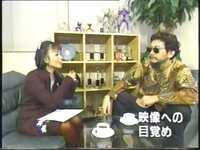 Hideaki Anno interviewed by Noriko Hidaka - English Subs
 Hot off the success of NGE, Hideaki Anno is interviewed by Noriko Hidaka, whom he worked with during "Nadia: The Secret of Blue Water".
-
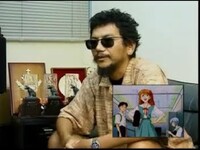 Hideaki Anno Interview from MPEG Special (1996) - English Subs
 An interview with the master from a magazine called "MPEG Special." Anno talks about his method of crafting a story (one less used in the west), reveals the true target demographic of Neon Genesis Evangelion, and why Rei and Asuka were created.
-
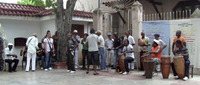 Oba Ilú at Sábado de la Rumba (2011).
 Oba Ilú at Sabado de la Rumba, a weekly event that takes place on the patio of the CFNC. Here they are with guests including Fariñas, Juan de Dios (seated), Ariel Monterecy, and Maximino Duquense (seated).
-
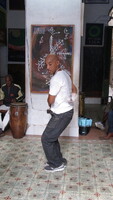 Miguel rehearsing (2011).
-
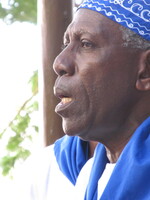 Gregorio Hernández (2011).
 Gregorio Hernández performing with Oba Ilú at the Hotel San Alejandro in Marianao, Havana (2011).
-
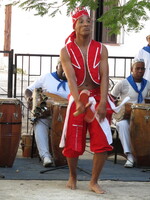 Miguel as Changó (2011).
 Miguel dancing as the orisha Changó at the Hotel San Alejandro in Marianao, Havana (2011).
-
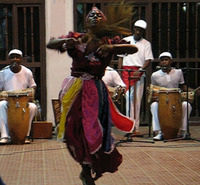 Isnavi as Oyá (2009).
 Isnaci Cardoso Díaz dancing as the orisha Oyá in a performance from 2009 with Oba Ilú.
-
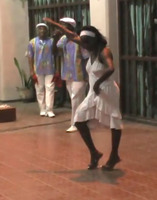 Isnavi columbia (2009).
 Isnavi Cardoso Díaz dancing columbia with Oba Ilú at the Yoruba Association of Cuba, 2009.
-
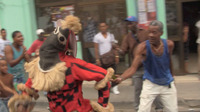 Abakuá folklore, masquerade dancer (2011).
 This image shows a dancer in full body masquerade performing the dance of the íreme, an ancestor spirit that plays a crucial role in the rituals of the abakuá brotherhood. There is a man holding out a plantain towards the íreme, who has turned his back. This is a gesture of trying to placate and control the unruly spirit.
-
 Miguel's salsa cubana mash-up
-
 Abakuá folklore in Trillo Park, Cayo Hueso neighborhood, Havana
 This performance by members of Oba Ilú was part of a celebration of the restoration of a statue of General Quintín Banderas (c. 1846-1906), which stands in Trillo Park in the Cayo Hueso neighborhood of Havana. The statue was originally erected in 1921 by the Afrocuban professional association, Club Atenas. Banderas had been one of the black generals of the Wars for Independence in Cuba. Afterwards, he became an advocate for political reform and participated in a liberal uprising against the corrupt government of Tomás Estrada Palma. He was killed on August 23, 1906 by government-backed militias during the uprising. The restoration of the statue acknowledges the contribution of black commanders and troops to the liberation of Cuba from colonial Spanish rule.