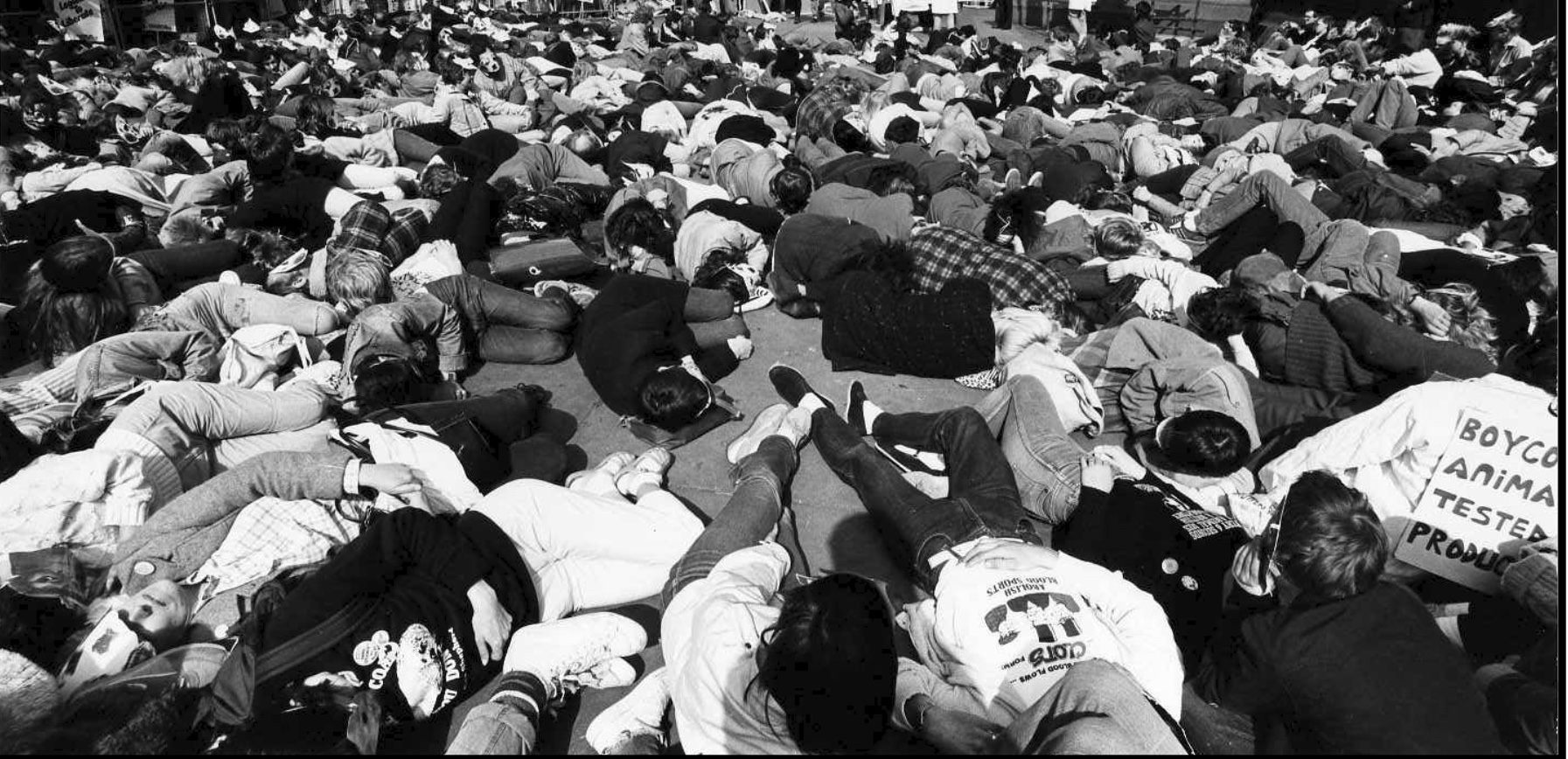
An 11 minute snippet featuring Alka Chandna- the Vice President of Laboratory Experimentation Cases for animal rights activist organization PETA. In this video, she discloses the abuse, neglect, and torture that animals such as monkeys are subjected to in laboratories at the University of Michigan to members of the Michigan Animal Rights Society. She concludes with discussing the unsanitary conditions within UofM laboratories.
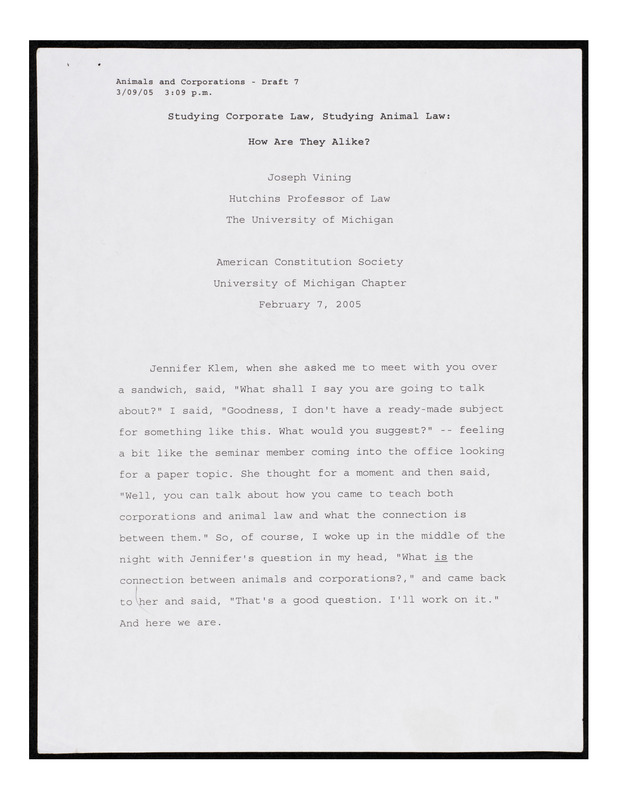
A draft of an essay from former University of Michigan Law Professor and animal welfare advocate Joseph Vining. In this essay dated March 9th, 2005, Joseph Vining makes comparisons between the realms of corporate and animal law-reflecting on how corporate law is considered a more respectable field although animal law concerns sentient beings.
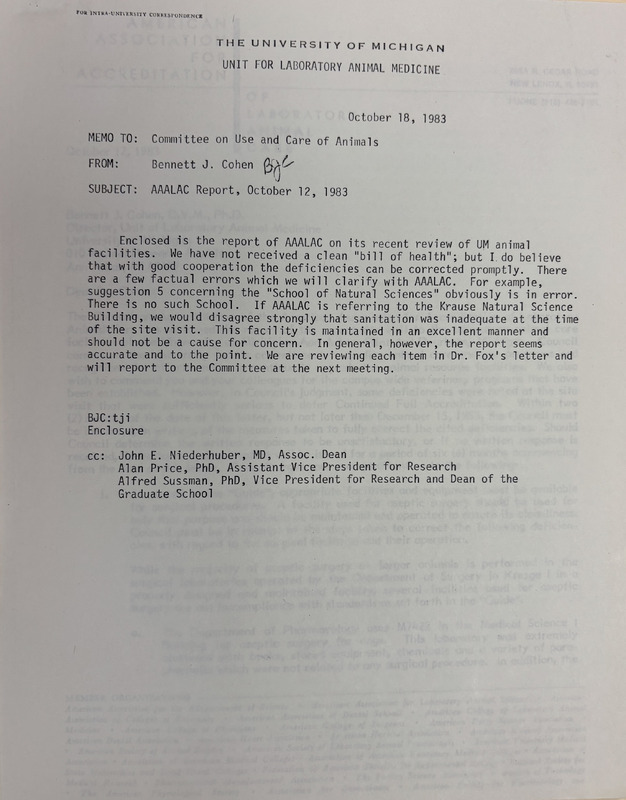
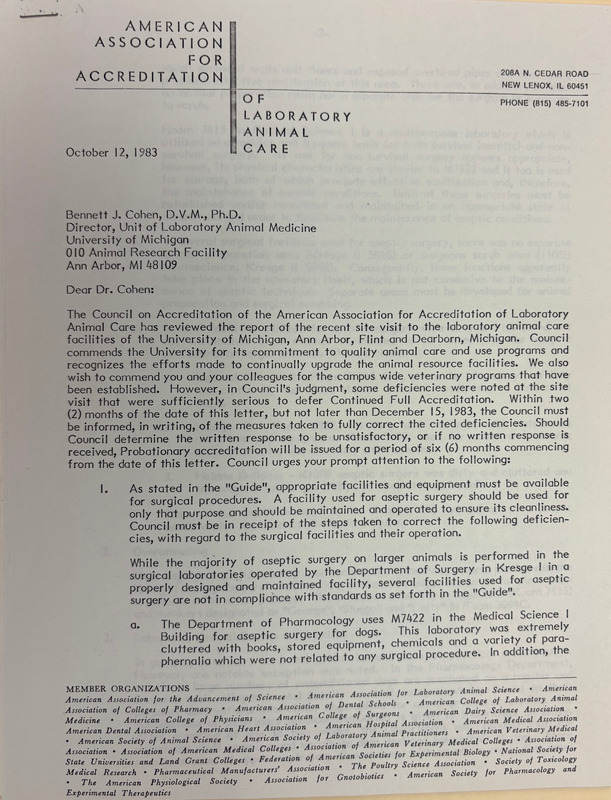
A 1983 memo from Bennett J. Cohen of the University of Michigan’s Unit for Laboratory Animal Medicine to the Committee on Use and Care of Animals summarizing the newly received AAALAC site-visit report. Cohen notes deficiencies the report found and disputes some of its claims.
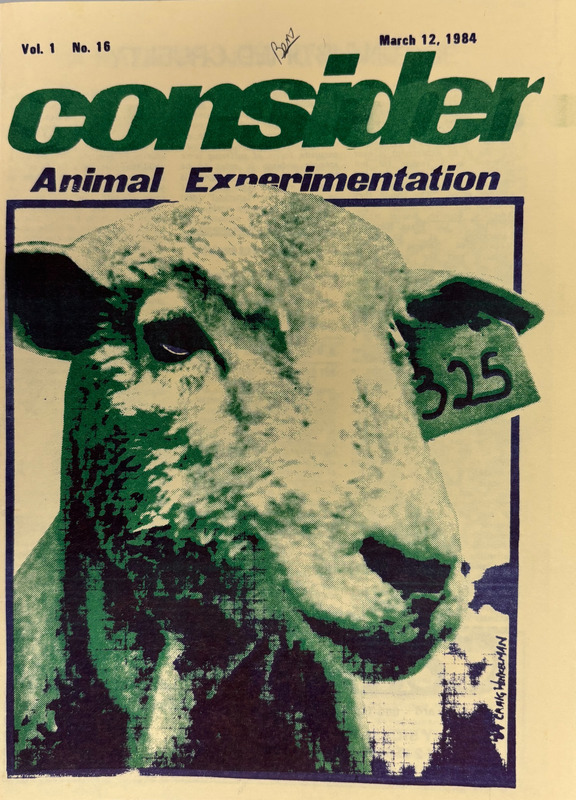
A short student-made zine printed on newsprint with monochrome photographs, advertisements, and opinion articles. Bennett J. Cohen, director of ULAM at U-M wrote an article in it titled “A Path to New Knowledge,” which argues that animal experimentation is essential to scientific and medical advancement. He emphasized existing regulatory standards that he claimed ensured humane conduct. The publication gives contrasting viewpoints on animal testing research, both for and against.
A 1983 site-visit evaluation report from the American Association for Accreditation of Laboratory Animal Care that reviews the state of animal research facilities at the University of Michigan. It summarizes widespread deficiencies in surgical spaces, sanitation practices, housing conditions, ventilation, lighting, and animal health oversight, along with required corrective actions. Notable findings include dirty and blood-stained surgical areas, overcrowded or improperly sized cages, rusted or urine-encrusted cages and equipment, and a morgue freezer overfull of dead animals amid blood and other debris.
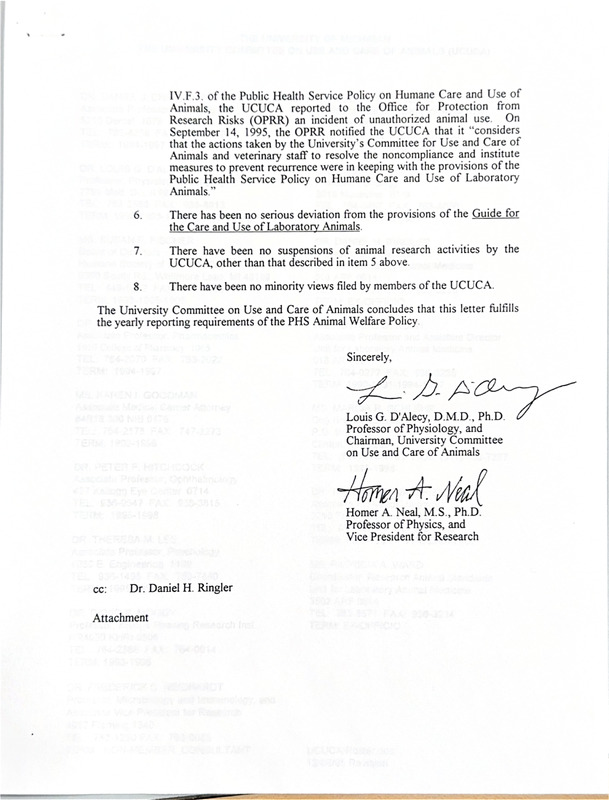
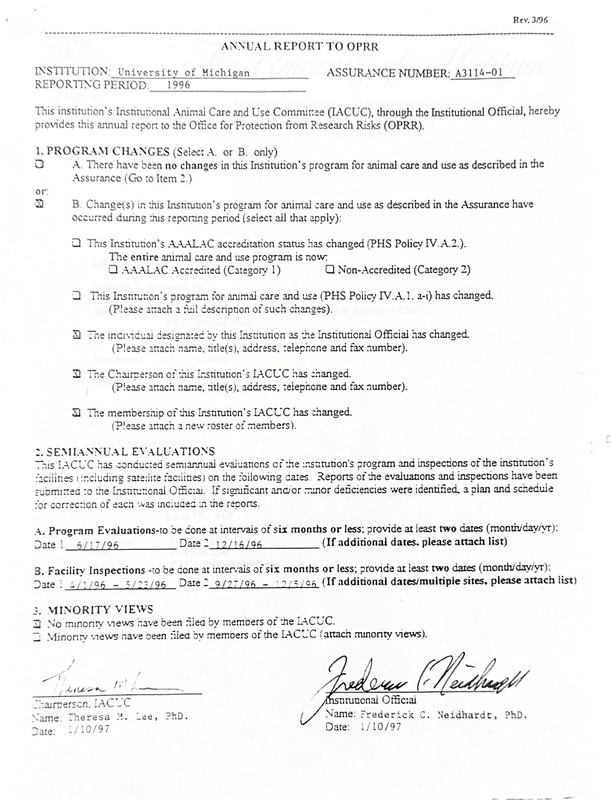
This starts with a description of the program changes, the semi-annual review, and minority views. Then the members of the committee are listed and described. This is followed by a description of facility inspections and a list of all of the recent facility inspections. Then there is a letter describing that a sample Annual Report is attached followed by the blank template of the Annual Report. Then there is an acknowledgment that the report was received along with the envelope it was sent in.
This starts with a cover letter explaining that no changes were made. Followed by a description of the members of committee. Then there is a description of the program changes, the semi-annual review, and minority views. Then there is an acknowledgment that the report was received.
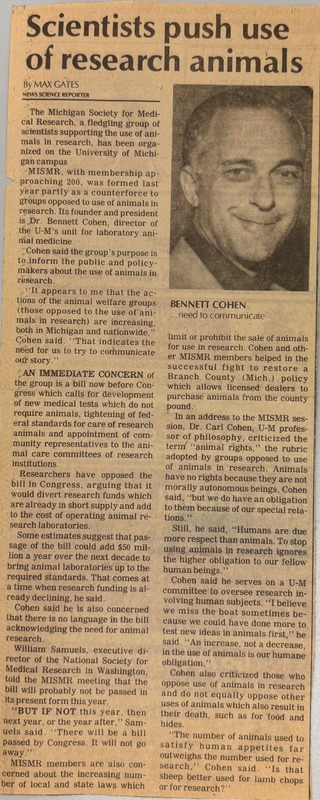
The article reports on the formation of the Michigan Society for Medical Research at the University of Michigan, a group advocating for the continued use of animals in scientific research amid growing opposition from animal-welfare organizations and pending federal legislation. It highlights statements from Dr. Bennett Cohen and others arguing that animal research is essential, warning that proposed regulations would increase costs and hinder scientific progress.
This resource starts with the 1996 program changes, semi-annual evaluations, and minority views. Then all of the members of the committee are listed and described. Then there is a request for the report, followed by the main report and a blank member information template. This is followed by the envelope it was sent in. The the facility inspections are described and listed.
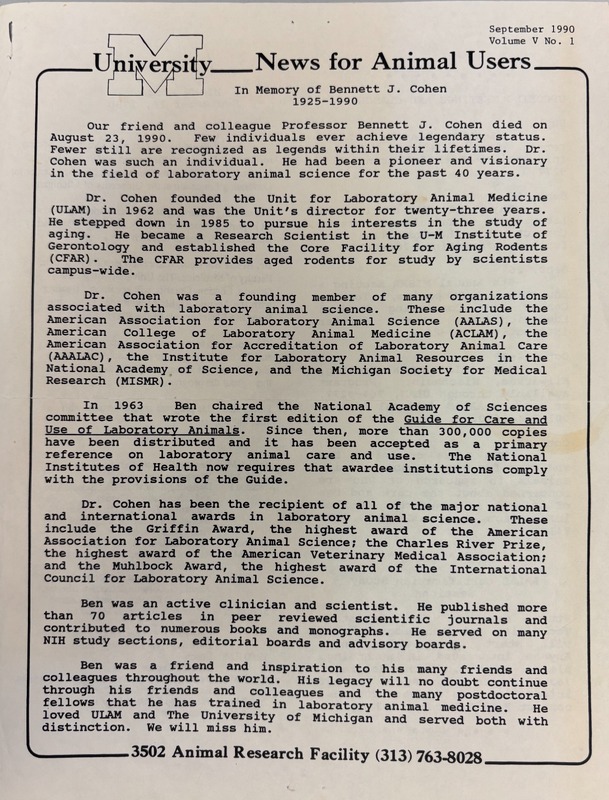
Newsletter from the University of Michigan’s News for Animal Users (Dated September 1990) memorializing Professor Bennett J. Cohen (1925–1990). The text highlights Cohen’s pioneering role in laboratory animal science, his founding and 23-year leadership of the Unit for Laboratory Animal Medicine (ULAM), and his establishment of the Core Facility for Aging Rodents (CFAR). The piece also describes his major contributions to national standards, including chairing the committee that produced the first Guide for the Care and Use of Laboratory Animals, and further notes his many awards, publications, and service on boards. It concludes with reflections on his mentorship, global influence, and lasting impact on the University of Michigan’s research community.
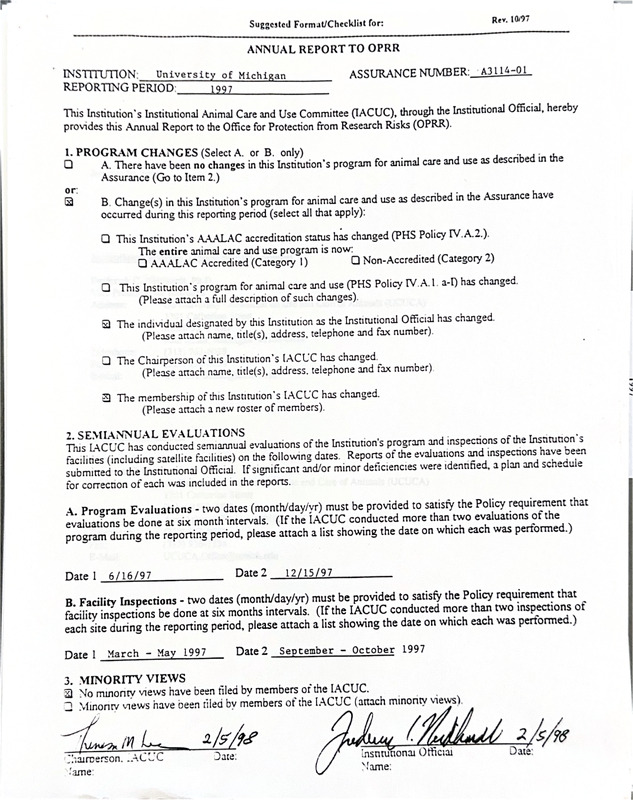
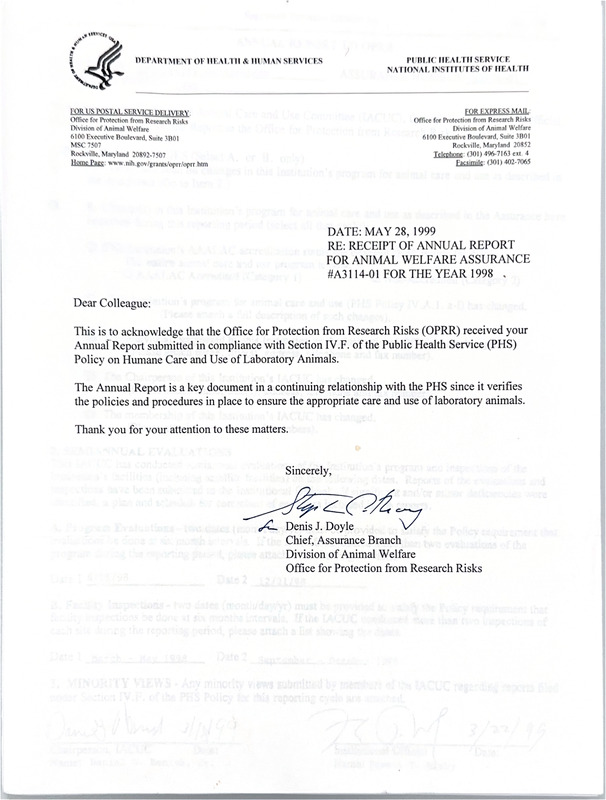
It starts with an acknowledgement that the report has been received. Followed by the 1998 program changes, semiannual evaluations, and minority views. This is followed by the titles and description of the members of the committee. Then there is a description of the facility inspections. This is followed by a longer list of the facility inspections. Followed by a checklist that checks off what is in the report. This is followed by a request for the information. Then you can see the envelope it was sent in and a blank member description template along with the filled out version of the member information.
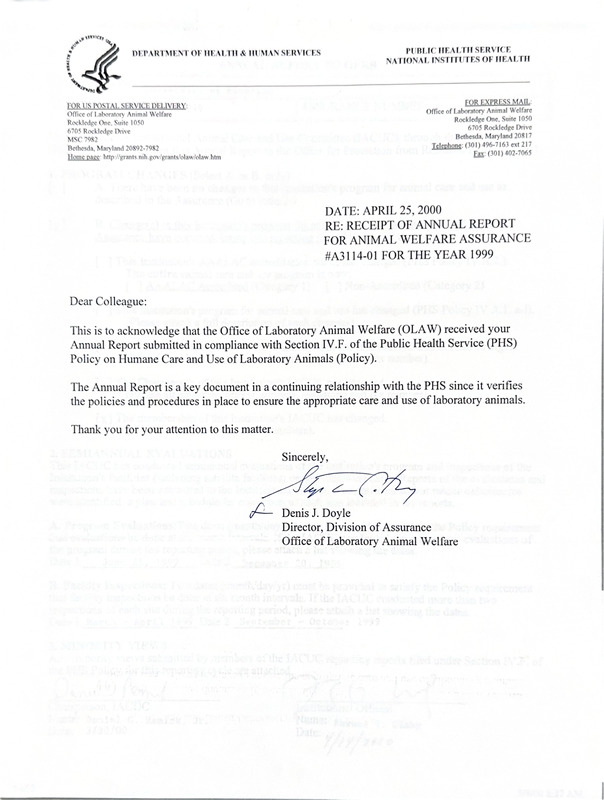
It starts with an acknowledgement that the report has been submitted. Then the 1999 program changes are outlines, followed by the semi-annual evaluation and minority views. Then the members of the committee and are listed and described. Then the facility inspections are listed.
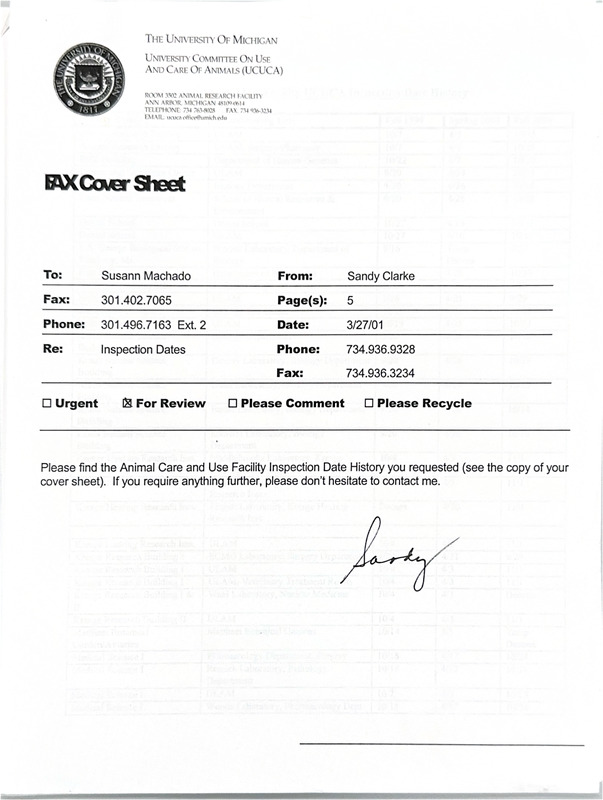
This report starts with a cover sheet outlining the information requested. That is followed by the inspection data history. Then there is a cover letter for the Annual Problem Report section, followed by the program changes, semiannual evaluations, and minority views. That is followed by information on the members of the committee. Lastly, there is more information on the facility inspections.
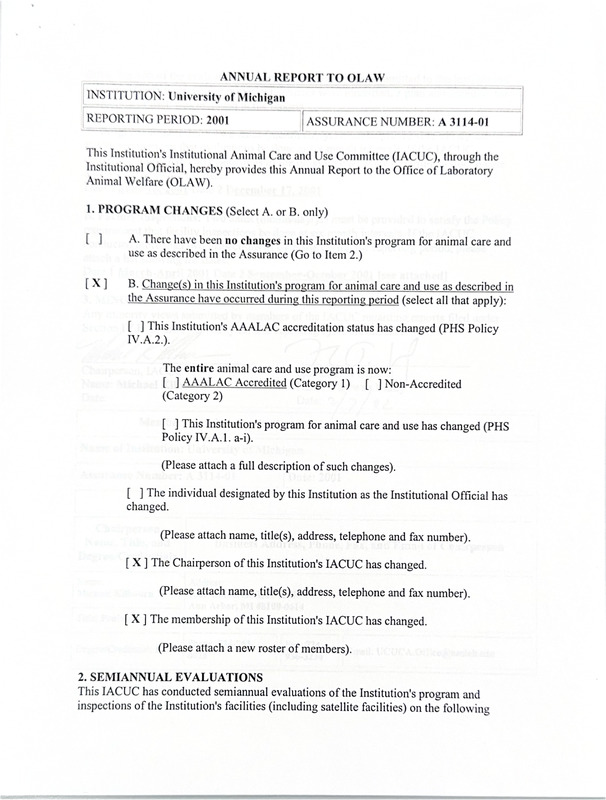
This report starts with changes that have been made to the program in 2001. Then it discusses the semi-annual evaluations. Then any minority vies that members held. Followed by a list and description of all members. Then the facility inspection dates are listed.
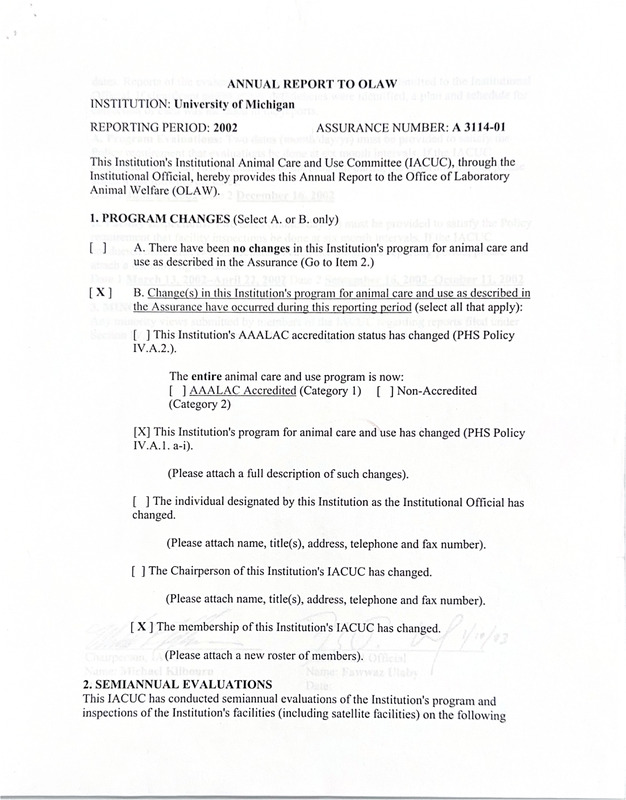
This report covers program changes and semi annual evaluations for the 2002 period. It then goes into the current members who contributed to this annual report. Then it goes into the changes they made to their protocol review. There is then an annual review flowchart, followed by a letter acknowledging that they received the report. This is followed by emails back and forth revising the protocol review.